Top Tax Preparation Tips for Small Businesses
Understanding Tax Obligations
For small business owners, comprehending tax obligations is crucial for maintaining compliance and avoiding potential penalties. It's essential to understand the different types of taxes that may apply to your business, including income tax, self-employment tax, and payroll tax. Knowing these obligations will help you plan and allocate resources effectively.
Keep Accurate and Detailed Records
One of the most critical aspects of tax preparation is maintaining accurate and detailed records. This includes tracking all income, expenses, and invoices. Organizing these documents throughout the year will make the filing process much smoother. Consider using accounting software to streamline record-keeping and ensure no important details are overlooked.
By keeping comprehensive records, you can easily substantiate any claims made on your tax return, reducing the risk of audits and mistakes. Additionally, accurate record-keeping allows you to maximize deductions and credits, ultimately minimizing your tax liability.
Understand Available Deductions
Small businesses have access to various tax deductions that can significantly reduce taxable income. Familiarize yourself with common deductions such as home office expenses, vehicle mileage, and office supplies. Don't forget to consider industry-specific deductions that might be applicable to your business.

It's beneficial to consult with a tax professional to ensure you're taking full advantage of all available deductions. They can provide advice tailored to your specific business needs and help identify opportunities you might have missed.
Plan for Estimated Taxes
Small business owners often need to pay estimated taxes quarterly. Failing to make these payments can result in penalties. It's wise to calculate your estimated taxes early and set aside funds accordingly. This proactive approach ensures you're not caught off guard when payments are due.
Hire a Professional Accountant
While managing taxes on your own is possible, hiring a professional accountant can be a wise investment. An accountant can offer expert advice, handle complex tax issues, and ensure compliance with all regulations. Their expertise can save you time and reduce stress during tax season.

Moreover, accountants stay updated on the latest tax laws and changes that could affect your business. This knowledge enables them to provide insightful recommendations that align with your business goals.
Review Tax Deadlines
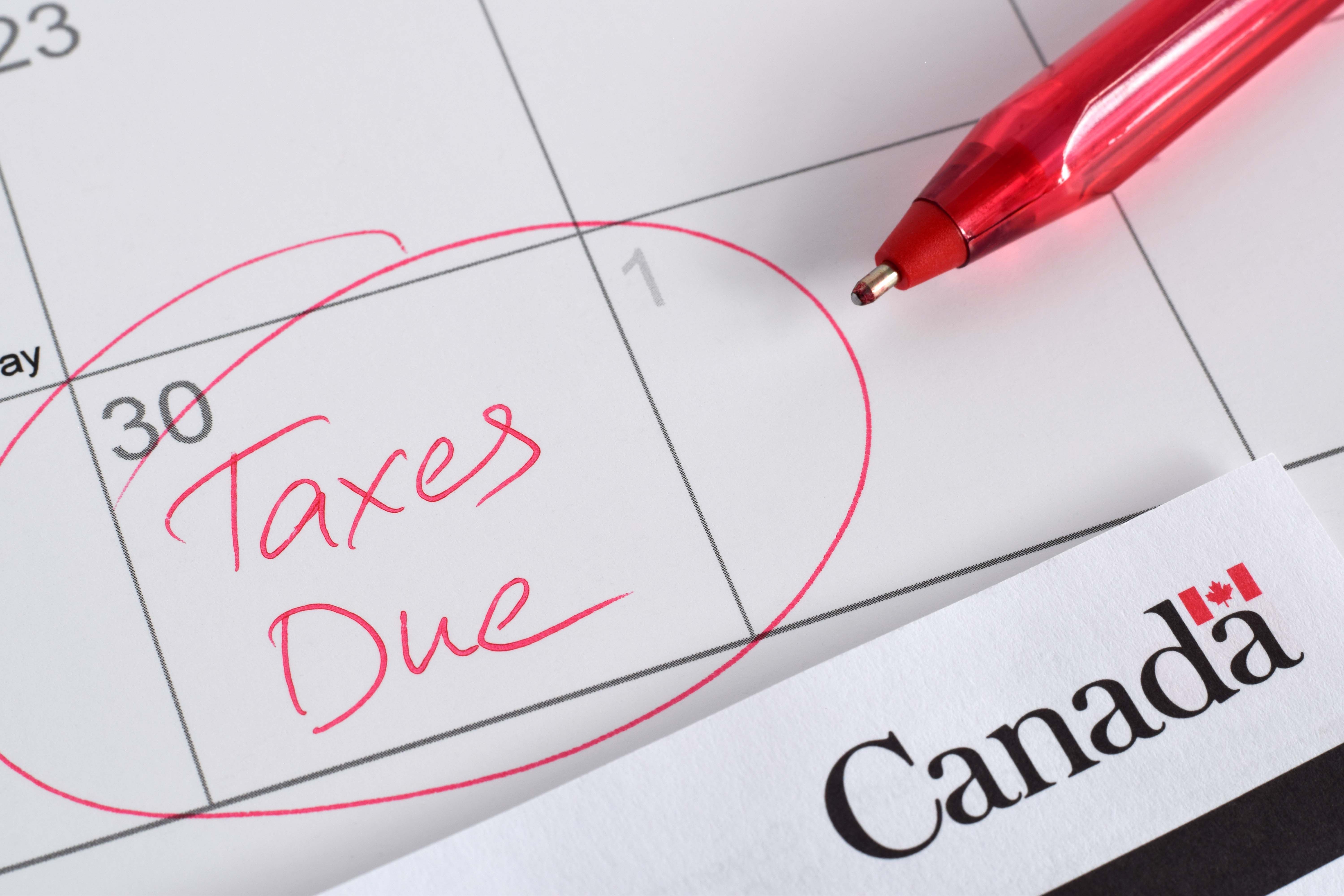
Missing tax deadlines can lead to penalties and interest charges. It's crucial to mark important dates on your calendar and set reminders to ensure timely filings. Understanding the deadlines for federal, state, and local taxes is essential for comprehensive compliance.
Consider creating a checklist of due dates for filing returns, paying estimated taxes, and other critical tasks. Staying organized will help you avoid last-minute rushes and potential mistakes.
Evaluate Your Business Structure
Your business structure (e.g., sole proprietorship, partnership, corporation) can have significant tax implications. As your business evolves, it may be beneficial to reevaluate your structure to ensure it aligns with your financial goals and minimizes your tax burden.
Consulting with a legal or financial advisor can provide insights into whether a change in structure could benefit your business from a tax perspective.